spf foundation secrets: Flawless Skin and Sunproof Makeup Tips
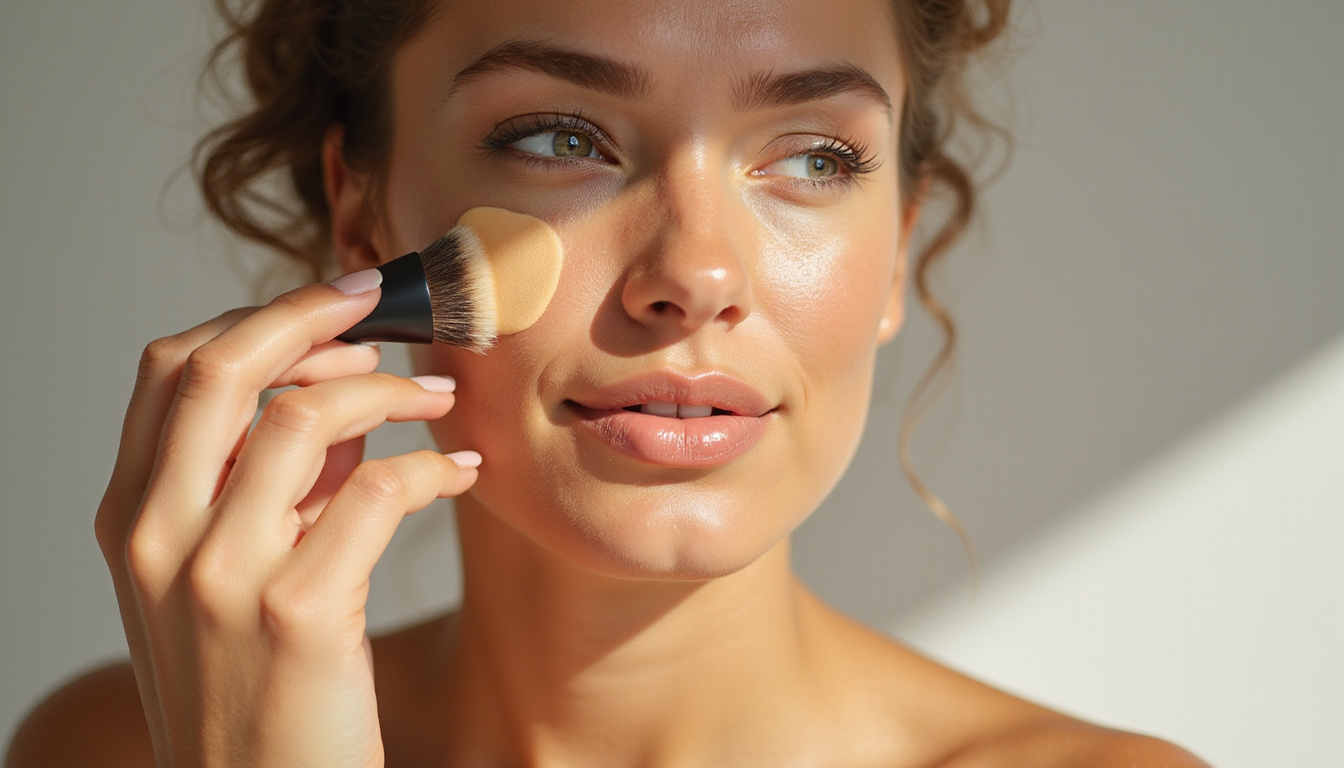
Getting your base right is hard enough—add sun protection to the mix, and it can feel overwhelming. The good news: with the right spf foundation, you can get flawless coverage and serious protection from UV damage. The key is knowing how to choose, apply, and layer it so your makeup looks smooth, lasts all day, and actually shields your skin.
Below you’ll find a complete guide to spf foundation: how it works, what to look for, and pro application secrets for skin that looks airbrushed and stays sun-safe.
Why SPF Foundation Matters More Than You Think
We all know sunscreen is essential, but relying on a separate SPF product every single time doesn’t always happen. That’s where spf foundation becomes a powerful backup:
- It adds a layer of protection on top of your regular sunscreen.
- It helps defend against the daily “incidental” sun exposure (walking to the car, sitting near a window, working by a bright office window).
- It makes wearing sun protection feel effortless because it’s built into your makeup routine.
Dermatologists consistently stress daily sunscreen use to reduce the risk of skin cancer and premature aging (wrinkles, dark spots, rough texture) (source: American Academy of Dermatology). SPF foundations don’t replace a good sunscreen under makeup, but they’re a smart, skin-loving bonus.
SPF Foundation 101: How It Works
SPF stands for Sun Protection Factor. When you see it on a foundation, it means the formula includes UV filters—either chemical, mineral, or a mix.
Types of SPF in Foundations
-
Mineral (physical) filters
- Ingredients: zinc oxide, titanium dioxide
- Pros: Great for sensitive skin, start working immediately, less likely to sting eyes
- Cons: Can leave a white cast on deeper skin if not well-formulated, may feel thicker
-
Chemical filters
- Ingredients: avobenzone, octisalate, octocrylene, etc.
- Pros: Usually thinner, more seamless on skin, less chance of white cast
- Cons: Can irritate very sensitive or reactive skin, need ~15–20 minutes to become effective
-
Hybrid formulas
- Mix of mineral and chemical filters
- Aim to balance elegance (feel and finish) with broad protection.
Important: The SPF on the foundation bottle is tested using a specific amount of product. In real life, most people don’t use nearly enough foundation to reach that exact SPF rating—so think of it as extra protection, not your only defense.
How to Choose the Right SPF Foundation for Your Skin
Not all SPF foundations are created equal. Matching the formula to your skin type and lifestyle is crucial.
1. Match to Your Skin Type
-
Oily / Combination Skin
- Look for: oil-free, mattifying, long-wear, non-comedogenic.
- Finish: soft matte or natural matte to control shine.
- Bonus: formulas that mention “pore-minimizing” or “shine control.”
-
Dry / Dehydrated Skin
- Look for: hydrating, luminous or radiant finish, hyaluronic acid, glycerin, ceramides.
- Avoid: very alcohol-heavy or ultra-matte products that can emphasize dryness.
-
Sensitive / Reactive Skin
- Look for: fragrance-free, mineral SPF bases (zinc/titanium), “for sensitive skin” claims.
- Patch test first, especially with chemical filters.
-
Acne-Prone Skin
- Look for: non-comedogenic, oil-free, light-to-medium coverage that can be built up.
- Avoid: very heavy, occlusive formulas that feel waxy or thick.
2. Check for Broad-Spectrum Protection
A high number (e.g., SPF 30 or 50) means little if it only protects against UVB. You want broad-spectrum coverage—this means:
- UVB protection (burning rays)
- UVA protection (aging, deeper damage)
Look for the words “broad-spectrum” on the label or symbols like “PA+++” in some regions.
3. Pick Your Ideal Finish and Coverage
- Sheer / Skin tint: everyday, no-makeup makeup, for good skin days.
- Medium coverage: evening skin tone, redness, mild discoloration.
- Full coverage: special events, camera work, or more significant discoloration/blemishes.
Finishes:
- Matte: better for oily skin, humid climates.
- Natural / Satin: versatile, suits many skin types.
- Glowy / Dewy: great for drier or mature skin, or a fresh, youthful look.
The Perfect Pair: Sunscreen + SPF Foundation
To get true protection and flawless makeup, layer correctly:
- Apply a dedicated broad-spectrum sunscreen (SPF 30 or higher) after skincare.
- Let it set for 5–10 minutes so your foundation doesn’t slide or pill.
- Apply your spf foundation on top using your preferred method.
Think of regular sunscreen as your “main armor” and spf foundation as the “backup shield” that covers any missed spots and boosts overall protection.
Step-by-Step: How to Apply SPF Foundation Flawlessly
Even the best formula can look patchy or cakey if applied incorrectly. This routine helps you get that smooth, sunproof base.
Step 1: Prep Your Skin Properly
- Cleanse: Start with a gentle cleanser so there’s no oil or residue blocking smooth application.
- Hydrate: Use a moisturizer that suits your skin type; hydrated skin = smoother foundation.
- Sunscreen: Apply a generous, even layer of broad-spectrum SPF.
Optional: If you have very oily skin or large pores, use a primer (pore-blurring or mattifying) once sunscreen sets, focusing on T-zone.
Step 2: Choose the Right Tool
- Brush: More coverage, polished finish.
- Damp sponge: Softer, more natural, great for blending lines.
- Fingers: Good for sheer coverage and warming up product, especially creams and skin tints.
Step 3: Apply Strategically, Not Everywhere
- Start with a small amount—you can always add more.
- Focus on areas that need the most help:
- Redness around the nose
- Blemishes or dark spots
- Uneven tone on cheeks or chin
- Blend outward using light tapping or buffing motions rather than dragging.
This keeps the coverage where you need it and avoids a heavy, mask-like look.

Step 4: Set Where You Need It
- For oily or combo skin, use a translucent setting powder on your T-zone.
- For dry skin, lightly dust only where makeup tends to crease (under eyes, around nose).
- For all-day wear, a setting spray can lock everything in without adding heaviness.
Making Your SPF Foundation Last All Day (Even in Heat)
To keep your base intact in sun, sweat, or humidity:
- Blot, don’t rub: Use blotting papers to absorb oil instead of adding layers of powder all day.
- Targeted touch-ups: Add a tiny bit of spf foundation only where it has broken down (usually around nose and chin).
- Avoid heavy creams at midday: If you need mid-day moisture, use a hydrating mist instead of reapplying thick products.
How to Reapply SPF Without Ruining Your Makeup
This is where most people struggle. You’re wearing a full face—how do you top up protection without starting over?
Smart Reapplication Strategies
- SPF setting sprays: Fine mists with SPF can be sprayed over makeup. They’re not perfect, but they’re practical and better than nothing.
- Powder sunscreen: Brush-on mineral SPF powders can be swept over shiny areas to mattify and re-protect.
- Topping up with spf foundation:
- Gently blot your face to remove excess oil.
- Apply a thin layer of your SPF foundation with a damp sponge only where needed.
- This adds some extra sun protection plus a freshened base.
Remember: the more consistent your daily protection, the better your skin will look over time—less hyperpigmentation, fewer fine lines, and a more even tone.
Avoid These Common SPF Foundation Mistakes
A few simple errors can sabotage both your look and your protection:
- Relying on SPF foundation alone: You won’t apply enough to match the labeled SPF. Always use it with regular sunscreen for true coverage.
- Skipping broad-spectrum: An SPF number without UVA protection leaves your skin vulnerable to aging rays.
- Not blending into key areas: Hairline, jawline, ears, and under the chin often get missed and can burn easily.
- Using the wrong shade when SPF is involved: Too light = ashy; too dark = muddy or orange. Sun protection only works if you want to wear it every day, so shade match matters.
- Applying over wet sunscreen: Let sunscreen settle so the foundation doesn’t pill or separate.
Extra Tips for Different Skin Concerns
For Mature Skin
- Choose a lightweight, hydrating spf foundation with a satin or radiant finish.
- Avoid very thick matte formulas that settle into fine lines.
- Use a hydrating primer to smooth texture before foundation.
For Hyperpigmentation or Melasma
- Use a high-SPF (30–50) tinted mineral sunscreen plus SPF foundation for layered defense.
- Go for medium-to-full coverage and consider a corrector under foundation for dark spots.
- Hats and sunglasses are your best friends alongside your base.
For Acne and Breakouts
- Look for labels: non-comedogenic, oil-free, or for acne-prone skin.
- Prioritize lightweight textures such as fluid foundations or tints.
- Always remove thoroughly at night to prevent clogged pores—double cleanse if you wear long-wear or waterproof products.
Quick Checklist: Building a Sunproof Makeup Routine
Use this to streamline your everyday ritual:
- Gentle cleanse
- Lightweight moisturizer
- Broad-spectrum sunscreen (SPF 30+)
- Optional primer (if needed)
- SPF foundation (matched to skin type and shade)
- Concealer where needed
- Light powder in oil-prone areas
- Setting spray with or without SPF (optional)
- Midday: blot + SPF mist or powder sunscreen
FAQ: SPF Foundation and Sun-Safe Makeup
Q1: Is SPF in foundation enough protection on its own?
No. Most people don’t apply a thick enough layer of SPF foundation to reach the labeled protection. Use a separate broad-spectrum sunscreen under your SPF makeup foundation, and think of the foundation’s SPF as a bonus, not your main shield.
Q2: Can I use SPF makeup foundation instead of regular sunscreen if I’m mostly indoors?
Even indoors, UV rays can penetrate through windows. It’s still best to wear a dedicated sunscreen plus SPF makeup foundation, especially if you sit near windows or use devices that emit blue light. The combo offers more even coverage and better defense against long-term skin damage.
Q3: What’s the best SPF foundation for oily skin that lasts all day?
Look for a matte, oil-free spf liquid foundation labeled long-wear or shine-control and non-comedogenic. Pair it with a light mattifying primer in the T-zone and set with a translucent powder. Reapply protection through the day using an SPF powder or setting spray rather than piling on more liquid foundation.
Your Next Step to Flawless, Protected Skin
Your base routine is the one thing you do almost every day—turning it into a sunproof shield is one of the smartest beauty decisions you can make. Choose an spf foundation that matches your skin type, layer it over a reliable sunscreen, and apply it with intention. With a few tweaks, you’ll get smoother coverage, longer wear, and the kind of invisible daily protection that keeps your skin looking younger, clearer, and more even-toned over time.
If you’re ready to upgrade your routine, start today: pick a broad-spectrum sunscreen you’ll actually use, find an SPF foundation that feels amazing on your skin, and wear them together consistently. Your future skin—fewer lines, fewer spots, more glow—will thank you every time you step into the light.
For More Visit Us : Hypeladies - Empowering Lifestyle Advice


Comments
Post a Comment