Smart casual Outfit Rules Everyone Should Know for Perfect Style
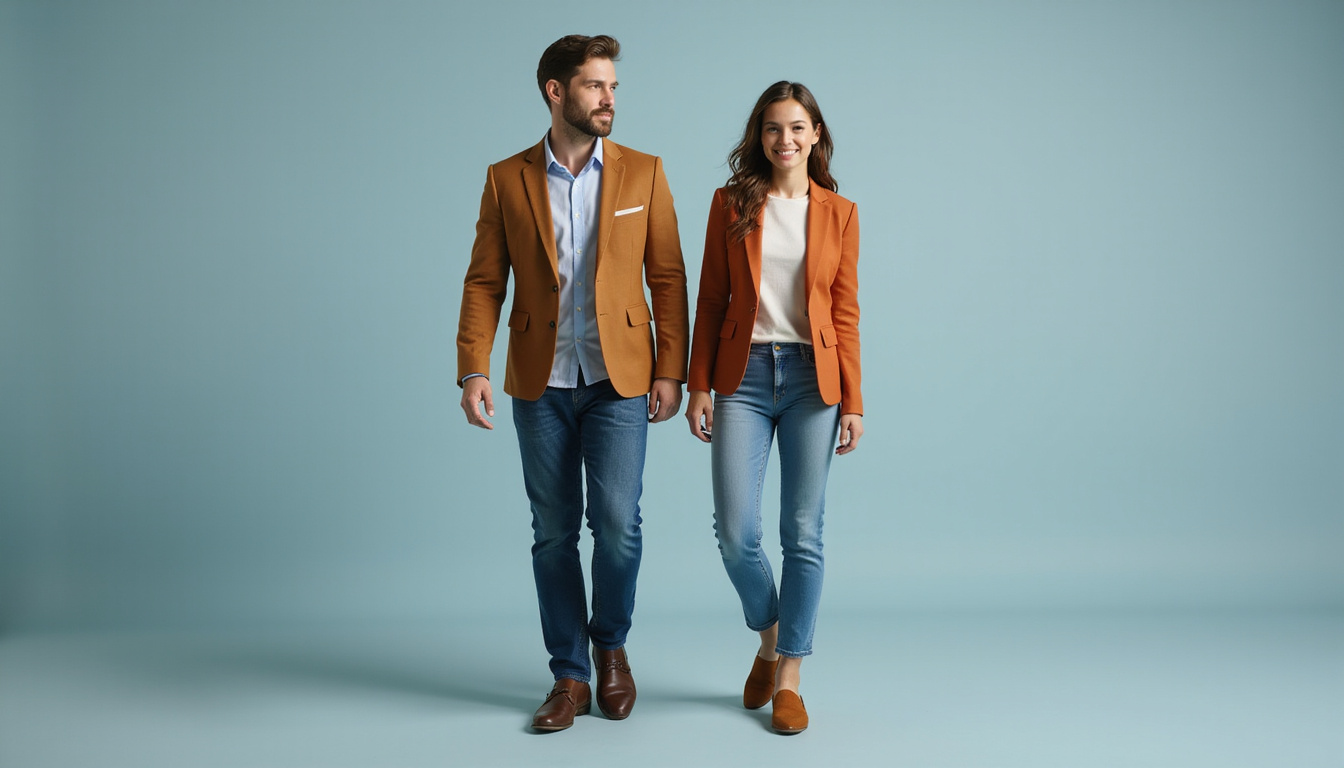
Nailing smart casual style is one of the most useful fashion skills you can learn. Get it right and you’ll look polished but relaxed, ready for everything from Friday at the office to weekend dates and dinners. Get it wrong and you either look overdressed and stiff, or too casual for the occasion. This guide breaks down the key smart casual outfit rules so you can build reliable, great-looking outfits with confidence.
What Does Smart Casual Actually Mean?
“Smart casual” is a dress code that sits between casual and business wear. Think of it as:
- More polished than jeans and a hoodie
- Less formal than a suit and tie (or corporate dress and blazer)
In practice, smart casual clothing is:
- Clean, well-fitted, and modern
- Relaxed in structure but elevated in materials
- Easy to mix and match across your wardrobe
Instead of thinking “one perfect smart casual outfit,” imagine a spectrum: chinos with a shirt and loafers, dark jeans with a blazer and sneakers, a knit dress with ankle boots. All of these can be smart casual when styled correctly.
Core Smart Casual Rules Everyone Should Know
1. Fit Comes First
No matter how nice the clothes, smart casual fails instantly if the fit is off.
- Tops should skim your body, not cling or billow.
- Trousers should break cleanly over shoes without pooling.
- Jackets and blazers should allow you to move but not look boxy.
If you’re not sure, try the “comfort check”: you should be able to sit, walk, and raise your arms without pulling or gaping, but your silhouette still looks neat. Tailoring inexpensive pieces can make them look far more premium.
2. Upgrade One Level from Your Usual Casual
A simple way to think about smart casual:
Take your everyday casual look and upgrade at least one major element.
Examples:
- Swap hoodie → knitted sweater or overshirt
- Swap graphic tee → plain or subtly patterned shirt
- Swap distressed jeans → dark, clean jeans or chinos
- Swap running shoes → leather sneakers or loafers
This one-step upgrade rule keeps outfits comfortable while shifting them into a smarter territory.
3. Stick to a Neutral Color Foundation
Bold colors can work in smart casual, but a neutral base makes everything easier and more versatile.
Reliable smart casual neutrals:
- Navy
- Charcoal and mid-grey
- Beige, stone, tan
- White and off-white
- Olive and muted earth tones
- Black (used thoughtfully, not head-to-toe for daytime)
Build most outfits with 2–3 of these, then add subtle color in accessories or one standout piece, like a burgundy sweater or a soft blue shirt. This balance feels sophisticated without being formal.
4. Choose Smarter Fabrics
Sometimes it’s the fabric—not the item itself—that determines whether an outfit reads smart casual or just casual.
Look for:
- Cotton twill: Ideal for chinos, overshirts, and light jackets
- Oxford cloth / poplin: Great for shirts
- Merino wool or fine knit cotton: Perfect for lightweight sweaters
- Linen blends: Excellent for warm-weather shirts, trousers, and blazers
- Suede or leather: For shoes, belts, and jackets
Avoid clothes that look worn out, faded in the wrong places, or overly synthetic and shiny. Smart casual is about clothes that feel lived-in but well cared for.
Smart Casual Essentials: The Pieces That Do Most of the Work
Tops: Shirts, Polos, and Knits
Smart casual tops that always look right:
- Oxford button-down shirt: The backbone of many smart casual outfits
- Plain or subtly patterned dress shirt: In white, light blue, or soft stripes
- Polo shirt: A refined alternative to T-shirts in warmer weather
- Lightweight knitwear: Crew necks, V-necks, or fine turtlenecks
- Smart T-shirt: High-quality, thick cotton in a solid color under a blazer or jacket
Rule of thumb: if you’d wear it to the gym, beach, or to paint your house, it’s not smart casual.
Bottoms: Jeans, Chinos, and Beyond
Your trousers anchor the entire outfit.
Strong smart casual choices:
- Chinos: In navy, beige, or olive—arguably the most versatile option
- Dark, slim (not skinny) jeans: No rips, heavy fading, or distressing
- Tailored trousers: With a relaxed cut, worn with sweaters or polos for a modern look
- Casual skirts or dresses (for women): Shirt dresses, knit dresses, midi skirts in structured fabrics
Avoid shorts unless the setting is clearly very relaxed (e.g., a summer garden party) and they’re tailored, not athletic.
Layers: Blazers, Jackets, and Coats
Smart layering instantly lifts your outfit.
Great smart casual layers:
- Unstructured blazer: Slightly softer shoulders, maybe in cotton or linen
- Casual sports jacket: Tweed, herringbone, or textured fabrics
- Overshirt or chore jacket: In cotton or lightweight wool
- Trench or tailored wool coat: For cooler weather, especially over knits
- Cardigan: Fine knit, worn instead of a blazer for a softer look
Denim jackets and bomber jackets can work if the rest of the outfit is sharper (e.g., tailored trousers and leather shoes).
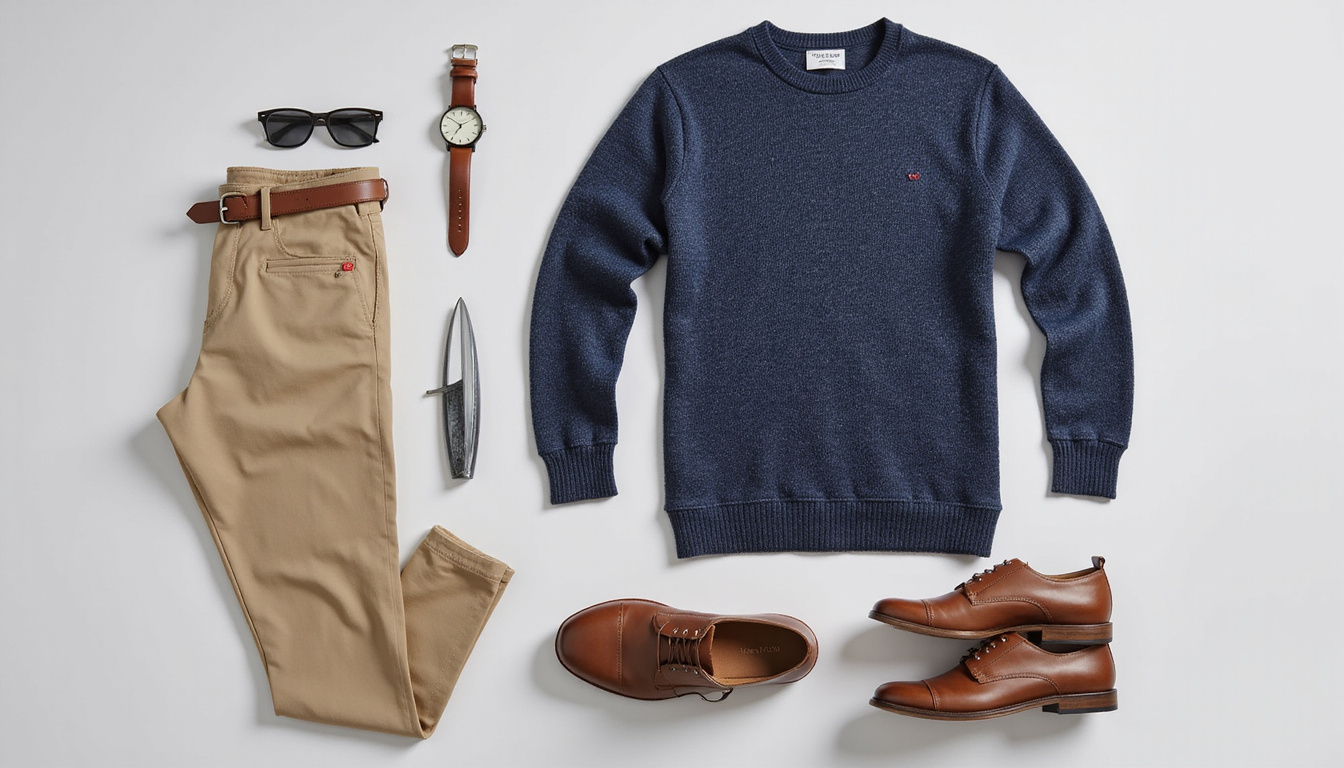
Shoes: Where Most People Get It Wrong
Footwear can make or break smart casual.
Go-to smart casual shoes:
- Leather or suede sneakers: Clean, minimal design (e.g., white, navy, or tan)
- Loafers: Penny, tassel, or horsebit
- Derby or brogue shoes: Less formal than oxfords, perfect with chinos or dark jeans
- Chelsea boots: Sleek in leather or suede
- Ankle boots / heeled boots (for women): Instantly smarten up jeans or dresses
Avoid:
- Running trainers
- Flip-flops or beach sandals
- Very chunky, dirty, or logo-heavy sneakers
Simple Smart Casual Outfit Formulas
Use these ready-made formulas to get dressed fast. Swap colors and fabrics depending on the season.
-
Office Friday Smart Casual (Men):
- Navy chinos
- Light blue Oxford shirt
- Brown leather belt
- Brown loafers
- Optional navy unstructured blazer
-
Office Friday Smart Casual (Women):
- Tailored ankle-length trousers in black or navy
- Fine knit sweater or blouse
- Low-heel pumps or loafers
- Simple jewelry and a structured handbag
-
Dinner Date Smart Casual (Men):
- Dark, slim jeans
- White or soft grey knit sweater
- Suede Chelsea boots
- Casual blazer or wool overshirt
-
Dinner Date Smart Casual (Women):
- Midi skirt or knit dress
- Cropped cardigan or blazer
- Ankle boots or elegant flats
- Statement earrings or a subtle necklace
-
Weekend Smart Casual (Any Gender):
- Chinos or dark jeans
- Plain T-shirt
- Overshirt or light bomber
- Leather sneakers
With a few variations of each piece, you can rotate dozens of smart casual looks without much thought.
A Quick Smart Casual Checklist
Use this list when you’re unsure whether your outfit hits the right note:
- Is at least one item clearly smart (shirt, blazer, tailored trousers, smart shoes)?
- Are there no ripped, stained, or heavily distressed pieces?
- Are the colors coordinated and mostly neutral, with only a couple of accents?
- Does everything fit well—no sagging, straining, or dragging hems?
- Are your shoes clean and appropriate for the occasion?
- Do you have one or two accessories at most (watch, simple jewelry, belt)?
If you can answer “yes” to all of these, you’re almost certainly in smart casual territory.
Common Smart Casual Mistakes to Avoid
Even with good pieces, a few missteps can throw off the whole look.
- Too many trends at once: Pairing oversized cuts, bold logos, and statement shoes can push you back into casual or messy territory.
- Ignoring grooming: Smart casual includes your hair, nails, and general tidiness.
- Over-accessorizing: Stick to a few well-chosen pieces—watch, bracelet, or subtle jewelry.
- Wearing office formal shoes with very casual clothes: Classic oxfords with ripped jeans, for example, look mismatched.
- Logo overload: One logo is fine; several big ones quickly look less refined.
Aim for intentional and balanced, not flashy.
How Smart Casual Differs by Occasion
Workplace Smart Casual
Many modern offices now use smart casual as a baseline. When dressing for work:
- Prioritize polished pieces: shirts, blouses, chinos, knitwear, and clean shoes.
- Add or remove a blazer depending on meetings.
- Avoid items that read like loungewear: hoodies, joggers, graphic tees, flip-flops.
Check your company’s culture; some industries lean more business casual or more relaxed. When in doubt, err a little smarter at first and then adjust.
Evening and Social Smart Casual
For dinners, dates, or events labeled “smart casual”:
- You can be a bit more expressive—textures like suede, velvet, or statement jewelry work well.
- Darker palettes feel evening-appropriate and elegant.
- Always check the venue; a high-end restaurant will expect smarter shoes and perhaps a jacket.
Seasonal Adjustments
- Summer smart casual: Linen shirts, cotton chinos, tailored shorts (when appropriate), loafers, or clean sneakers.
- Winter smart casual: Layered knits, wool trousers, leather boots, and structured coats.
Breathable but refined fabrics keep you comfortable and stylish year-round (source: British GQ style guides).
FAQ: Smart Casual Outfit Questions
1. What is smart casual attire for men?
Smart casual for men typically means combining everyday pieces with more polished items: think chinos or dark jeans, a button-down shirt or polo, clean leather sneakers or loafers, and optionally an unstructured blazer or overshirt. The overall effect should be neat and modern, but not as formal as a suit and tie.
2. What counts as smart casual for women?
Women’s smart casual outfits often include tailored trousers or dark jeans, blouses or knit tops, midi skirts or simple dresses, and refined flats, loafers, or ankle boots. A blazer, cardigan, or trench coat can add structure. The key is to avoid extremes—nothing that feels like gym wear or full-on business formal.
3. Are jeans OK for smart casual dress codes?
Yes, jeans can be part of a smart casual dress code if they’re dark, well-fitted, and free from rips and heavy distressing. Balance them with smarter pieces such as a shirt, blazer, knitwear, and quality shoes to keep the overall look polished.
Start Building Your Smart Casual Wardrobe Today
Smart casual doesn’t need to be confusing. With a handful of well-chosen essentials, attention to fit, and a few simple rules, you can create outfits that feel relaxed, confident, and appropriate for almost any modern setting.
Audit your current wardrobe, identify the gaps—perhaps a pair of chinos, an unstructured blazer, or cleaner sneakers—and start upgrading piece by piece. Begin with versatile, neutral basics, then experiment with subtle color, texture, and accessories as your confidence grows.
The next time you see “smart casual” on an invite or dress code, you’ll know exactly what to wear—and you’ll look effortlessly put-together doing it.
Visit Us : Hypeladies Women Lifestyle


Comments
Post a Comment