Midi dresses That Flatter Every Figure: Stylish Tips for Effortless Chic
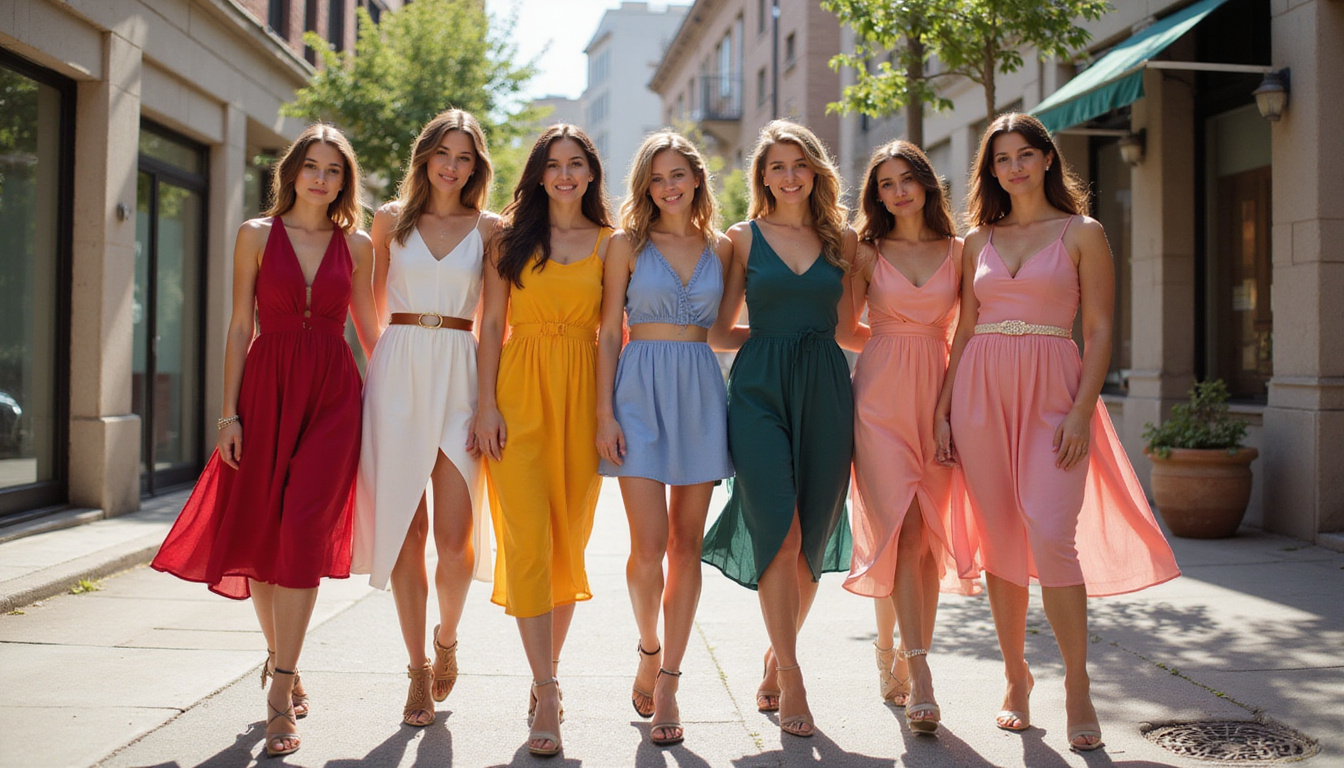
Midi Dresses That Flatter Every Figure: Stylish Tips for Effortless Chic
Midi dresses are the quiet heroes of a modern wardrobe—longer than a mini, shorter than a maxi, and endlessly versatile. When chosen well, midi dresses can flatter every figure, work for nearly any occasion, and make getting dressed feel effortlessly chic instead of stressful. The key is understanding proportion, fabric, and styling details that work with your unique body shape and lifestyle.
Below, you’ll find a practical, style-forward guide to choosing midi dresses that look and feel amazing—no matter your size, height, or shape.
Why Midi Dresses Are So Universally Flattering
The hem of a midi dress typically hits anywhere from just below the knee to mid-calf. That length does a lot of quiet work:
- It elongates the body more than a knee-length hem.
- It offers more coverage than a mini while staying breezy.
- It transitions easily from day to night and casual to dressy.
From an aesthetic standpoint, midi dresses draw the eye vertically, which can create a longer, leaner line. They also provide enough fabric to define or skim over areas you’d like to downplay, without overwhelming your frame.
Finding Your Most Flattering Midi Length
Not all midi hemlines are equal. Where the hem hits your leg is crucial.
General rule of thumb
For most people, the most flattering midi length ends at a narrower point of the calf—not the widest.
- If you’re petite (under ~5'4"): Aim for just below the knee or upper-to-mid calf. Avoid hemlines that cut exactly at the widest part of your calf.
- If you’re tall: You can experiment with mid- to lower-calf lengths; your height can carry a more dramatic midi.
- If you’re curvy or plus-size: A hem that hits slightly below the knee to mid-calf often balances curves nicely.
Try this fitting-room test:
Stand straight and look at your legs in the mirror. Notice where your calf narrows. That’s where midi dresses tend to be most flattering.
Midi Dresses for Every Body Shape
While every body is unique, thinking in general “shape” categories can help you quickly spot what works for you.
1. Hourglass: Highlight the Waist
If your bust and hips are relatively balanced and your waist is defined:
- Choose fit-and-flare or wrap midi dresses.
- Look for belts, tie waists, or elastic waists you can cinch.
- Necklines like V-neck and sweetheart highlight curves without bulk.
Avoid: Shapeless, straight-cut styles with no waist definition—they can hide your curves instead of celebrating them.
2. Pear Shape: Balance Hips and Thighs
If your hips are fuller than your bust, and your waist is narrower than your hips:
- Opt for A-line midi dresses that skim the hips.
- Choose darker or solid colors on the bottom, with prints or lighter colors up top.
- Look for detailed necklines (ruffles, square necks, boat necks) to draw the eye upward.
Avoid: Stiff, clingy fabrics over the hips; ultra-bodycon cuts that emphasize only the lower half.
3. Apple Shape: Define the Middle Gently
If you tend to carry weight around the midsection with slimmer legs:
- Try empire-waist midi dresses that fall loosely from below the bust.
- Look for gentle A-line or softly draped styles.
- V-necks and wrap-style fronts can visually lengthen the torso.
Avoid: Heavy fabrics or belts that cut across the widest part of the midsection.
4. Rectangle (Straight) Shape: Create Curves
If your bust, waist, and hips are fairly aligned:
- Go for belted midi dresses to “carve out” a waist.
- Ruching, pleats, and wrap details add shape and movement.
- Peplum or tiered skirts can create the illusion of curves.
Avoid: Boxy, ultra-straight silhouettes with no shaping at the waist.
5. Inverted Triangle: Soften the Shoulders
If your shoulders or bust are broader than your hips:
- Choose A-line or gently flared midi skirts to add volume below.
- Look for simple necklines and minimal shoulder detail.
- V-necks and wrap styles can visually “narrow” the upper body.
Avoid: Strong shoulder pads, puff sleeves, or high necklines combined with a very narrow skirt.
Choosing the Right Fabric and Fit
Even the most beautiful cut can fail if the fabric isn’t working with your body.
Light vs. structured fabrics
- Lightweight, flowy fabrics (like viscose, soft cotton, modal, silk blends) skim over the body, making them great for curves and comfort.
- Structured fabrics (like thicker cotton poplin, ponte, or denim) hold their shape and can create a polished, tailored look.
If you want a smooth silhouette, consider:
- Slight stretch content (2–5% elastane or spandex).
- Lined styles in lighter colors to prevent show-through.
- A slip or smoothing shorts under clingy knit midi dresses.
Fit check
When trying on midi dresses, move around deliberately:
- Sit down: Does the skirt pull or ride up more than you like?
- Walk: Is the slit too high or too low for your comfort?
- Reach up: Does the bodice stay in place without constant adjusting?
If a dress forces you to fuss with it constantly, it won’t feel “effortless chic” in real life.
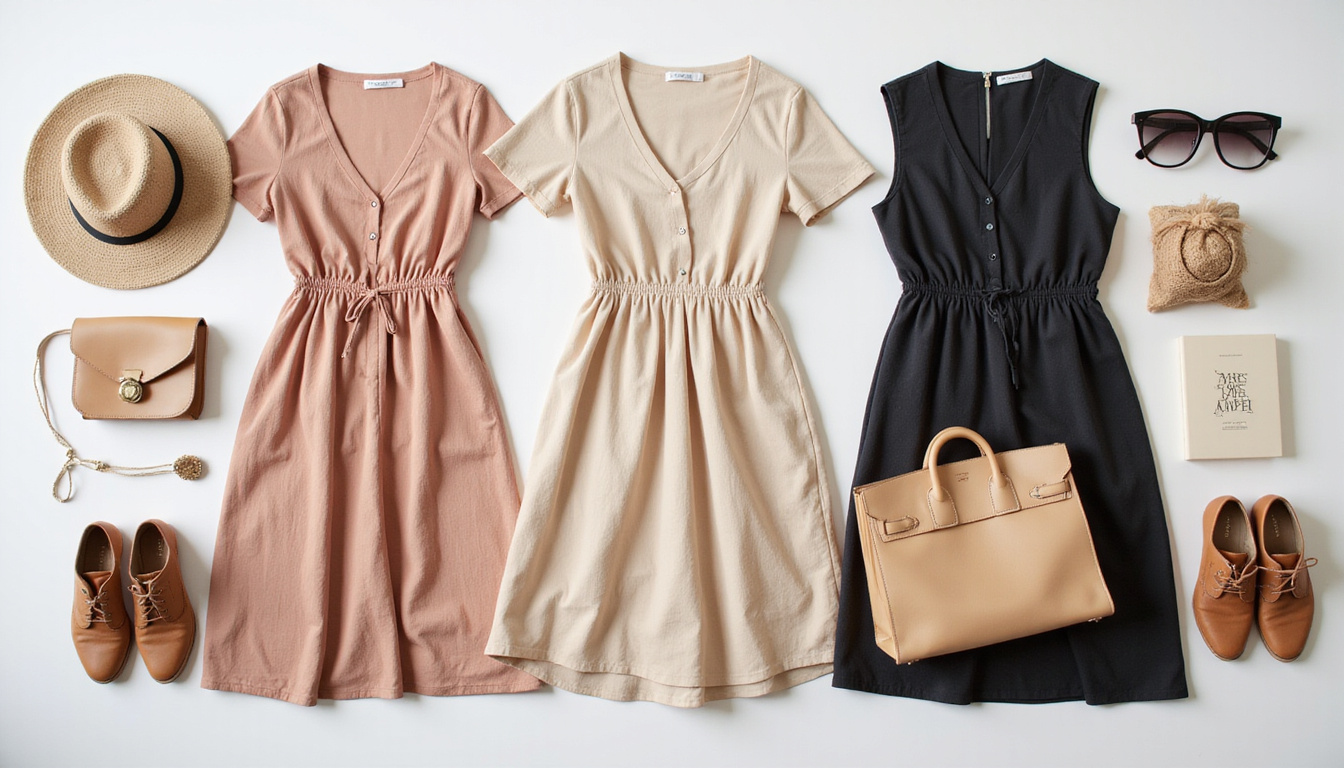
Styling Midi Dresses for Every Height
One concern many people have is whether midi dresses work if you’re not tall. The answer: yes—if you style them strategically.
Styling for petites
- Choose higher waistlines (natural or slightly elevated) to elongate the legs.
- Opt for simple, not too voluminous skirts.
- Shoes that show some foot and ankle (like low-cut pumps, strappy sandals, or sleek sneakers) help lengthen the leg line.
Styling for tall figures
- Embrace bolder silhouettes: tiered skirts, fuller A-lines, or longer mid-calf lengths.
- Chunkier shoes (platform sandals, substantial sneakers, ankle boots) can balance your proportions.
Shoes That Work Best with Midi Dresses
The right shoes can make or break the balance of a midi length.
Consider these pairings:
- Heels (block, kitten, or stiletto): Add height and elongate the leg; ideal for more formal or dressy looks.
- Strappy sandals: Delicate styles keep the look light and breezy in warm weather.
- Sneakers: Clean, low-profile sneakers create an effortless, casual vibe with T-shirt or shirt-style midi dresses.
- Ankle boots: Great in cooler months—aim for boots that fit close to the ankle to avoid chopping the leg line.
- Mules: Backless styles draw the eye lengthwise and tend to be leg-lengthening.
If you worry about looking “cut off” at the calf, choose shoes close to your skin tone or in a similar color to your dress to create a continuous line.
Seasonal Midi Dress Styling: Year-Round Chic
One of the biggest benefits of midi dresses is that they’re not just a summer item—you can wear them all year with a few adjustments.
Spring and summer
- Light, breathable fabrics: cotton, linen blends, rayon, chambray.
- Fresh prints: florals, stripes, polka dots, or soft pastels.
- Styling:
- Layer with a denim jacket or light cardigan.
- Pair with sandals, espadrilles, or white sneakers.
Fall and winter
- Warmer fabrics: knit, sweater dresses, ponte, corduroy.
- Rich colors: burgundy, forest green, navy, camel, charcoal.
- Styling:
- Add tights or knee-high boots under the midi.
- Layer with a leather jacket, blazer, or long coat that’s equal to or slightly longer than the dress.
- Throw on a belt over a sweater dress for shape.
Easy Outfit Formulas Using Midi Dresses
Keep these simple combinations in your style toolkit:
-
Office-ready
- Structured midi dress + blazer + block heels.
- Choose solid or subtle prints and modest necklines.
-
Weekend casual
- T-shirt style midi dress + denim jacket + white sneakers.
- Add a crossbody bag for a hands-free look.
-
Date night or evening out
- Slip or wrap midi dress + strappy heels + statement earrings.
- A touch of shine (metallic shoes or jewelry) adds polish.
-
Travel or errands
- Soft jersey midi dress + lightweight cardigan + flat sandals or sneakers.
- Belt bag or tote for practicality.
How to Build a Mini Capsule Wardrobe with Midi Dresses
If you love the idea of simplifying your closet, midi dresses are ideal foundation pieces.
Consider including:
-
1 neutral, tailored midi
For work, events, and more formal occasions. Think black, navy, or deep green. -
1 printed or floral midi
For brunches, vacations, and casual gatherings. -
1 knit or sweater midi
For cooler months and cozy yet polished days.
With these three midi dresses, you can rotate through multiple settings simply by swapping shoes, layers, and accessories.
Common Mistakes to Avoid with Midi Dresses
To keep your look intentional rather than frumpy, watch out for:
- Wearing the wrong length for your leg line: Hem hitting the widest part of your calf can look less flattering than just above or below.
- Too much volume everywhere: If your dress is very flowy, balance with more structured shoes or a defined waist.
- Ignoring undergarments: Lighter fabrics can become see-through or clingy without proper lining or smoothing layers.
- Forgetting proportion with outerwear: Very short jackets with long, voluminous midi skirts can distort proportions; often a hip-length or longer jacket looks more cohesive.
For additional research on dressing for your body shape and proportion, the Mayo Clinic provides general guidance on healthy body types and sizes and how they vary naturally among individuals (source).
Quick Reference: Midi Dress Styling Checklist
When you’re shopping or getting dressed, use this simple list:
- Does the hem hit at a narrow point on your calf?
- Is the waistline (or lack of one) flattering for your shape?
- Does the fabric skim rather than cling (unless you intentionally want bodycon)?
- Are your shoes extending the leg line or chopping it?
- Is your outer layer (jacket, cardigan, coat) balanced with the dress length?
- Can you easily move, sit, and walk without adjusting constantly?
If you can check yes to most of these, your midi dress outfit is likely a win.
FAQ About Midi Dresses
Are midi dresses flattering for short women?
Yes, midi dresses for petite women can be very flattering when the hem hits just below the knee or at upper-to-mid calf, rather than mid-calf at the widest point. Pairing midi lengths with heels, wedges, or low-profile sneakers and choosing higher waistlines helps elongate the silhouette.
What body types look best in midi length dresses?
Midi length dresses can work on every body type—hourglass, pear, apple, rectangle, and inverted triangle—if you focus on the right cut. Wrap and fit-and-flare styles flatter hourglass and pear shapes, empire waists suit apple shapes, belted styles enhance rectangles, and A-line skirts balance inverted triangles.
How do you style midi dresses for different occasions?
For everyday wear, casual midi dresses in cotton or jersey look great with sneakers or flat sandals. For work, choose structured midi dresses with blazers and closed-toe shoes. For weddings or parties, opt for satin or chiffon midi dresses with heels and dressy accessories.
Step Into Effortless Chic with Midi Dresses
Midi dresses are one of the simplest ways to feel put-together without overthinking your outfit. When you understand your ideal hem length, the cuts that celebrate your shape, and the shoes and layers that balance your proportions, getting dressed becomes faster and more enjoyable.
Start by identifying one or two silhouettes you feel fantastic in—a wrap midi, a knit column dress, or a breezy A-line—and build from there. Experiment with different fabrics and lengths, take quick mirror photos to compare outfits, and notice what makes you stand taller and feel more confident.
If your closet is full of “almost right” pieces, consider adding just one well-chosen midi dress that truly fits and flatters you. It may quickly become the cornerstone of your everyday style—and the first step toward an effortlessly chic wardrobe you actually love to wear.
Visit Us : Hypeladies Women Lifestyle


Comments
Post a Comment