Color blocking Secrets: Transform Your Wardrobe With Bold Pairings
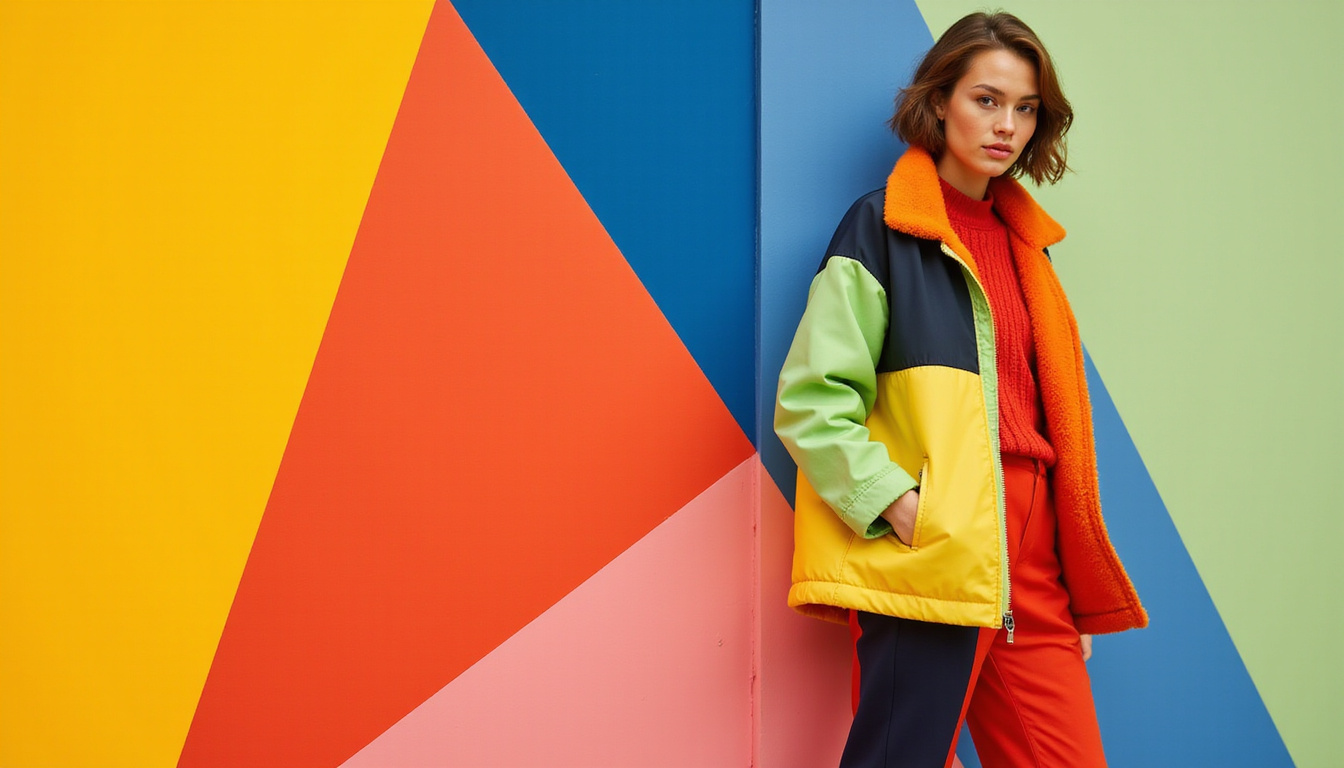
Color Blocking Secrets: Transform Your Wardrobe With Bold Pairings
Color blocking is one of the most powerful, fun, and accessible ways to refresh your style without replacing your entire wardrobe. By pairing solid, contrasting hues in intentional ways, color blocking lets you transform basic pieces into bold, modern outfits that feel both creative and polished.
Whether you’re a minimalist who loves clean lines or a maximalist who craves drama, you can use color blocking to express your personality and get more mileage out of the clothes you already own.
What Is Color Blocking?
Color blocking is a styling technique that combines two or more solid, distinct colors in one outfit (or look) to create a striking, graphic effect. Instead of prints or patterns, the impact comes from blocks of color themselves.
In practice, that might mean:
- A cobalt blue blazer with a fuchsia skirt
- A red sweater with hot pink trousers
- A green dress with orange heels and a yellow bag
The key is clear, defined areas of color—no prints, no tiny florals, just bold, confident panels.
Color blocking first gained popularity in fashion in the 1960s, inspired by modern art and artists like Piet Mondrian, and it has re-emerged again and again on runways and street style because it’s timelessly chic and surprisingly wearable.
Why Color Blocking Works So Well
Color blocking isn’t just trendy—it’s grounded in color theory and visual balance. Here’s why it’s so effective:
- High visual impact with simple pieces: You don’t need complicated designs; basic cuts look elevated when the colors are strong and deliberate.
- Figure flattery: Strategic color placement can draw attention where you want it and minimize where you don’t.
- Versatility: You can go subtle (navy and camel) or high-contrast (yellow and purple), depending on your comfort level.
- Wardrobe maximization: Suddenly, pieces that felt “boring” become building blocks for bold color-block outfits.
Understanding the basics of color theory will help you color block with confidence.
The Color Wheel Basics for Color Blocking
You don’t need to be an artist, but a quick grasp of the color wheel makes color blocking a lot easier.
1. Complementary Colors
Complementary colors sit opposite each other on the color wheel, such as:
- Blue and orange
- Red and green
- Yellow and purple
Pairing complementary colors gives you maximum contrast and energy. This is high-impact color blocking—great for statement outfits, events, and fashion-forward looks.
2. Analogous Colors
Analogous colors are neighbors on the color wheel:
- Blue, blue-green, green
- Red, red-orange, orange
- Yellow, yellow-green, green
These combinations feel harmonious and softer but still interesting. Analogous color blocking is perfect if you’re nervous about clashing or want a more refined, tonal vibe.
3. Triadic Color Schemes
Triadic schemes use three colors evenly spaced around the wheel—for example:
- Red, yellow, blue
- Purple, green, orange
These combinations are playful and dynamic. For everyday wear, you might choose one dominant color and use the other two as accents (shoes, bag, or jewelry).
For a visual reference, you can explore an interactive color wheel from design resources or art education sites (source: Adobe Color).
The Golden Rules of Color Blocking
To keep your outfits bold but intentional, use these guiding principles:
Rule 1: Limit Your Palette
Stick to 2–3 main colors per outfit. This keeps the look modern rather than chaotic.
- 2 colors = crisp and graphic
- 3 colors = more playful, still controlled
You can always add neutrals (white, black, denim, beige) without “breaking” the color count.
Rule 2: Choose Clean, Simple Silhouettes
Color blocking looks best when the shapes are straightforward, because the color is already doing the talking. Think:
- Straight-leg trousers
- Pencil or A-line skirts
- Shift, sheath, or column dresses
- Boxy blazers or structured coats
Avoid overly fussy details if you’re new to color blocking; they can compete with your color story.
Rule 3: Balance Brights With Neutrals (If Needed)
If you’re unsure, anchor one vivid color with a neutral:
- Hot pink pants + white shirt
- Emerald blazer + black trousers
- Yellow skirt + navy knit
You still get the color-block effect, but it feels more wearable.
Rule 4: Use Accessories as Training Wheels
You don’t have to start with a neon dress. Dip into color blocking with:
- A bold bag against a contrasting coat
- Shoes in a striking color versus your pants
- A bright belt breaking up a classic dress
As your comfort grows, you can move into bolder head-to-toe combinations.
How to Start Color Blocking Using Clothes You Already Own
You likely have more color-block potential in your closet than you think. Work through these steps:
- Pull out everything that’s a solid color. Tops, bottoms, dresses, blazers, coats, handbags, shoes.
- Group items by color family. Blues together, reds together, etc. You’ll begin to see natural combinations.
- Identify your “power colors.” These are the hues that flatter your skin tone and that you’re excited to wear.
- Begin with one hero piece.
- Example: cobalt trousers.
- Ask: what’s the boldest contrasting or neighboring color I can pair them with?
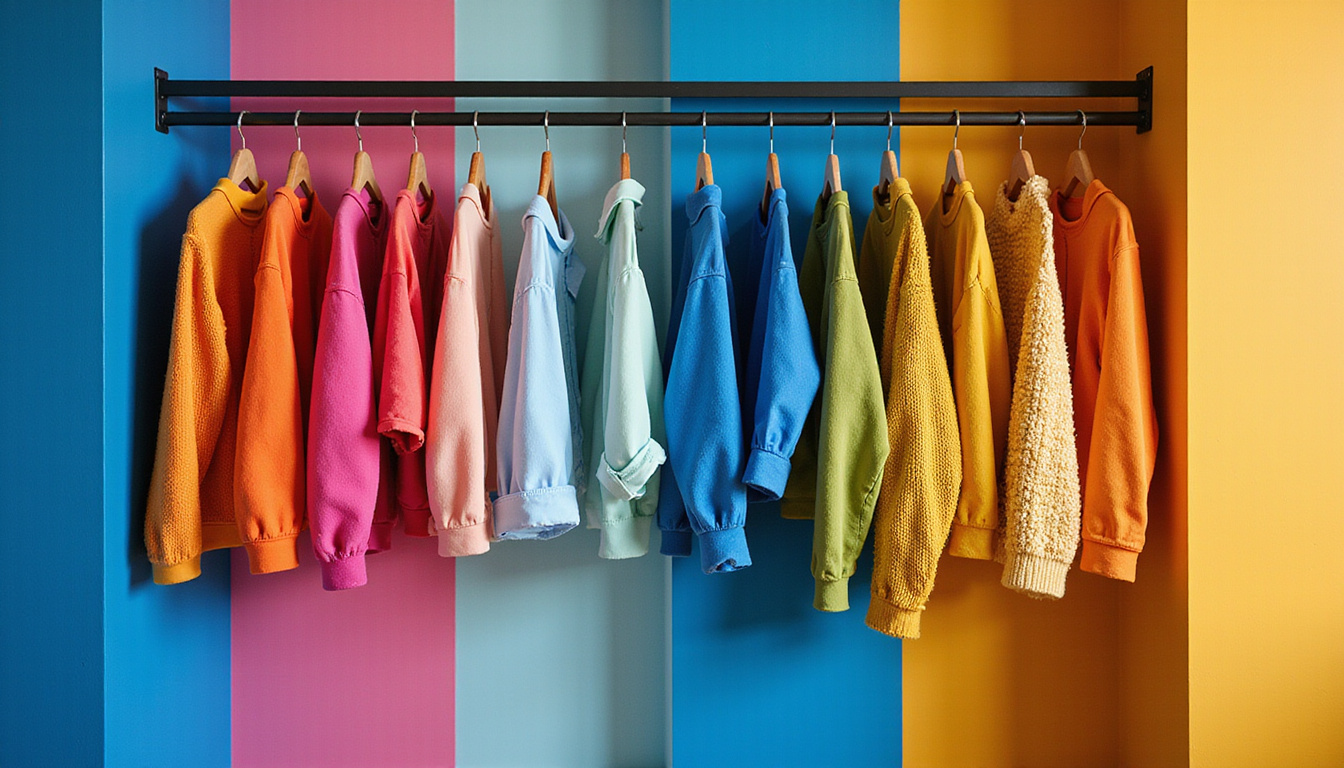
- Test combinations on a hanger. Hang tops with bottoms and see what feels balanced, then try them on.
- Add one accent piece. A bag, shoe, or necklace in a third color for dimension.
Document outfits you love with photos so you can recreate them quickly.
Flattering Color Blocking for Different Body Types
One of the best-kept secrets of color blocking is its ability to visually sculpt your silhouette.
Create Length
- Vertical color blocks (like a long blazer in one color over a similar-tone column underneath) create a vertical line that elongates.
- Dark pants with a bright top pull the eye upward, lengthening the legs visually.
Balance Proportions
Use darker colors where you’d like less emphasis and brighter or lighter colors where you want more attention:
- Broader hips: dark skirt or pants with a bright top.
- Broader shoulders: deeper color on top with a lighter or brighter bottom.
Define the Waist
- A contrasting belt can “cut” the torso in a flattering way.
- Dresses with a different color at the bodice and skirt naturally emphasize the waist and create an hourglass feel.
Everyday Color Blocking Outfit Ideas
Here are practical ways to bring color blocking into your real life—work, weekends, and events.
For the Office
- Navy + Cobalt + White: Cobalt trousers, navy blazer, white shirt.
- Forest Green + Camel: Green blouse with camel pencil skirt and nude pumps.
- Burgundy + Blush: Burgundy trousers with a soft blush top and burgundy loafers.
These combinations feel professional while still showing personality.
For Weekends
- Yellow + Denim + Red: Yellow sweatshirt, medium-wash jeans, red sneakers.
- Lilac + Green: Lilac tee with olive chinos and white trainers.
- Orange + Pink: Coral sweater, hot pink shorts or skirt, neutral sandals.
Casual fabrics make bolder color pairings feel relaxed and approachable.
For Evenings & Events
- Red + Fuchsia: Red slip dress with fuchsia heels and lip.
- Emerald + Sapphire: Emerald jumpsuit with royal blue clutch and earrings.
- Black + One Bold Block: A black dress with a shocking pink coat or bright purple shoes for a chic but impactful look.
Minimalist vs. Maximalist Color Blocking
Color blocking isn’t just for loud dressers. You can adapt the technique to your style personality.
Minimalist Color Blocking
- Stick to neutrals + one accent color: black, white, grey, navy, camel with one standout hue.
- Favor clean lines and sharp tailoring: straight-leg pants, simple tees, structured outerwear.
- Use muted or deep tones: forest green, oxblood, slate blue instead of neon.
Example: White tee, camel trousers, black loafers, and a single cobalt blazer.
Maximalist Color Blocking
- Embrace high contrast: purple with yellow, red with pink, orange with blue.
- Play with volume and layers: oversized blazers, wide-leg pants, dramatic coats.
- Experiment with three-color combinations: one dominant, one secondary, one accent.
Example: Hot pink trousers, orange top, and a turquoise bag.
A Simple Color Blocking Formula You Can Use
When you’re stuck, use this basic framework:
- Choose a base color:
- Neutral (black, navy, beige, white) or a rich color you love.
- Add a contrasting or analogous color:
- For contrast: pick a color opposite on the wheel.
- For harmony: pick a color next to it.
- Layer in an accent (optional):
- Shoes, bag, scarf, earrings in a third color.
Example using the formula:
- Base: Navy trousers
- Contrast: Mustard top
- Accent: Burgundy bag
This gives you a complete, balanced color-blocked outfit with minimal guesswork.
Common Color Blocking Mistakes (And How to Avoid Them)
-
Too many colors at once
- Keep it to 2–3 main hues to avoid visual overload.
-
Ignoring undertones
- Colors have warm or cool undertones. Mixing clashing undertones (like a very cool fuchsia with a very warm tomato red) can feel off. Choose colors that share a similar temperature, or go for bold, deliberate contrast.
-
Forgetting fabric quality
- Solid colors showcase fabric. Cheap, thin textiles are more noticeable when there’s no print to hide behind. Invest in better basics where you can.
-
Neglecting fit
- Even the best color combo falls flat if the clothing doesn’t fit well. Tailoring is key, especially with bold colors.
Quick Color Blocking Pairing Ideas (Cheat Sheet)
When in doubt, these combos are hard to get wrong:
- Cobalt blue + bright orange
- Red + hot pink
- Emerald green + royal purple
- Yellow + navy
- Teal + coral
- Beige + any neon
- Camel + burgundy
- Olive green + blush pink
Use them as starting points and adapt to what you own.
FAQ: Color Blocking Style Questions
1. How do you start color blocking outfits if you’re a beginner?
Begin with one bold color and pair it with a neutral—like a bright skirt with a white tee or a vivid blazer over black trousers. As you get comfortable, introduce a second strong color through shoes or a bag. Keeping silhouettes simple and focusing on solid fabrics makes beginner color blocking feel more approachable.
2. Which colors go together for color block fashion without clashing?
Look to the color wheel for guidance. Complementary pairs (blue/orange, yellow/purple, red/green) are high-impact, while analogous combinations (blue/green, red/orange, yellow/green) are softer and easier to wear. If you’re unsure, pair any bright color with navy, camel, white, or black to get a clean color block look that won’t clash.
3. Can color blocking work for all body types?
Yes. Color blocking is actually great for all body types because you can place darker, more muted colors where you want less focus and lighter or brighter colors where you want to draw the eye. Vertical color blocks, column dressing (one color head-to-toe with a contrasting jacket), and color-blocked dresses with defined waist areas can all enhance your natural shape.
Ready to Transform Your Wardrobe With Color Blocking?
You don’t need a closet full of designer pieces to look polished and modern—you just need to use color more intentionally. Color blocking gives you a powerful style tool: with a handful of solid basics and a bit of color-wheel knowledge, you can create outfits that look fresh, thoughtful, and uniquely you.
Open your wardrobe, pull out your solid pieces, and start experimenting with pairings you’ve never tried before. Snap photos of what works, refine what doesn’t, and let your confidence grow with each bold combination.
If you’d like tailored color blocking ideas based on your actual clothes or skin tone, tell me what’s in your wardrobe (or your favorite colors), and I’ll build you a personalized set of outfit formulas you can start wearing this week.
Visit Us : Hypeladies Women Lifestyle


Comments
Post a Comment